Migration and Consolidation Modeling When Retiring Legacy Data Center Space
How to map dependencies before moving workloads to avoid surprise failures.
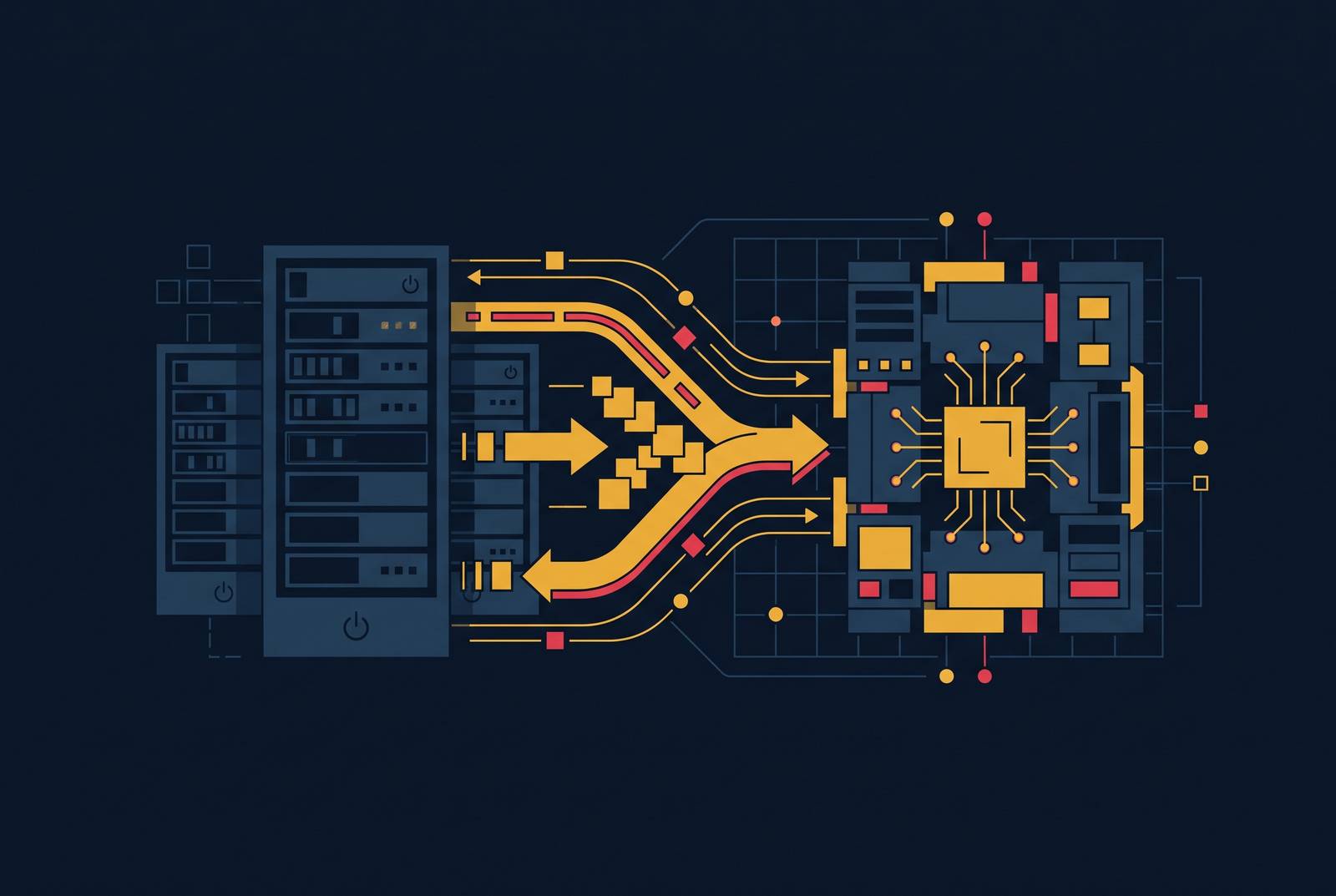
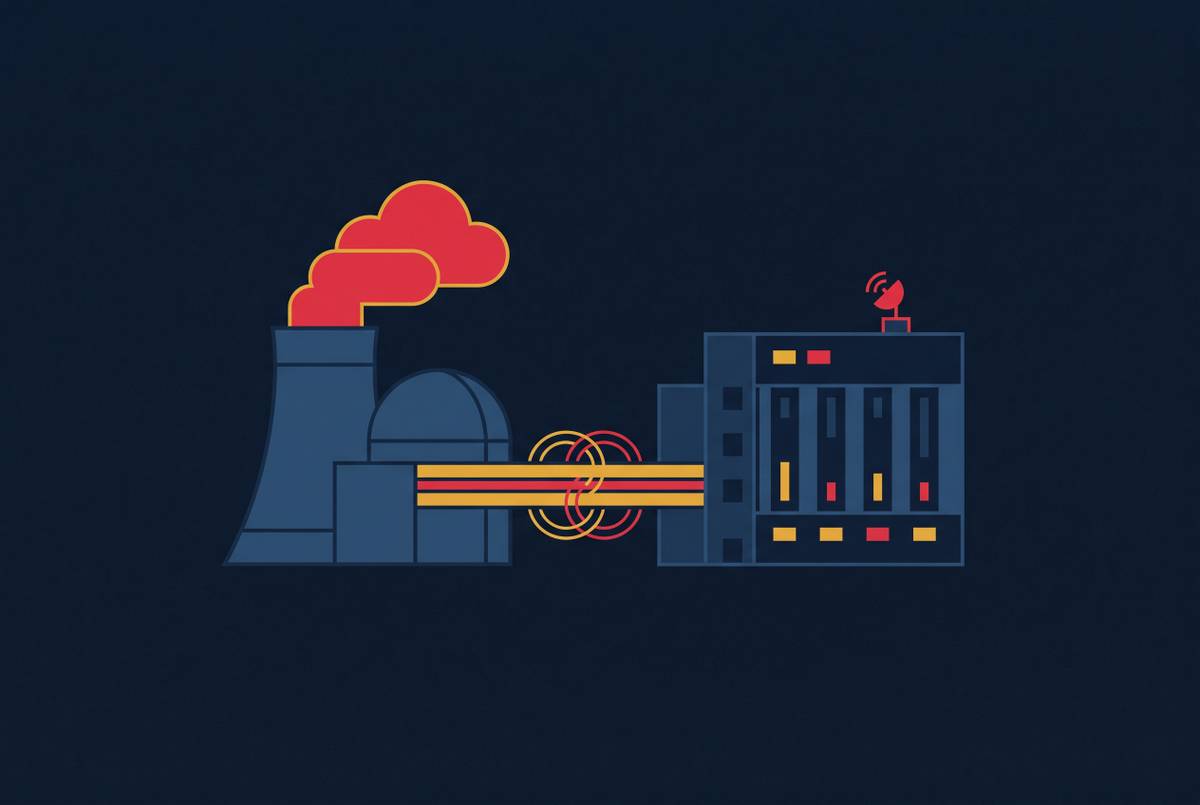
Legacy data centers are closing because they physically cannot handle what modern workloads ask of them. AI training clusters, machine learning pipelines, and containerized applications need elastic compute and far higher power and cooling capacity than legacy facilities, architected for low rack densities, can structurally provide. Gartner projects global data center electricity use will hit 565 terawatt-hours in 2026, a number that facilities built for that older density range simply cannot support. Add in compliance pressure, the rising cost of keeping old infrastructure alive, and consolidation that follows mergers, and the case for exit gets stronger from several directions at once. The Business Research Company's Data Center Migration Global Market Report shows how many organizations are making this move at the same time.
None of this means legacy infrastructure sticks around out of laziness. Plenty of environments run long-lived platforms tied to specific hardware, firmware versions, operating systems, or licensing terms, and some of that gear stays in place because replacing it looked riskier than keeping it running, a reasonable calculation to have made at the time.
Teams don't fail in the decision to leave; they fail in what they don't know when they start planning the exit. Migration and consolidation efforts blow past budget and schedule because of hidden dependencies between systems, requirements nobody wrote down, and coordination gaps between teams who each hold a piece of the picture but never compared notes. The failure mode is structural and repeats across nearly every legacy exit: someone finds out about a dependency at the exact moment it becomes a problem, usually during cutover, when there's no room left to absorb the surprise. That is why modeling has to come before the move, not alongside it.
What a consolidation model must capture before a physical move is authorized
A consolidation model is a structured picture of how everything in the current environment actually depends on everything else, power, cooling, cabling, and asset data all mapped against what the destination site can actually support, so that people making decisions can see the consequences before they commit to anything.
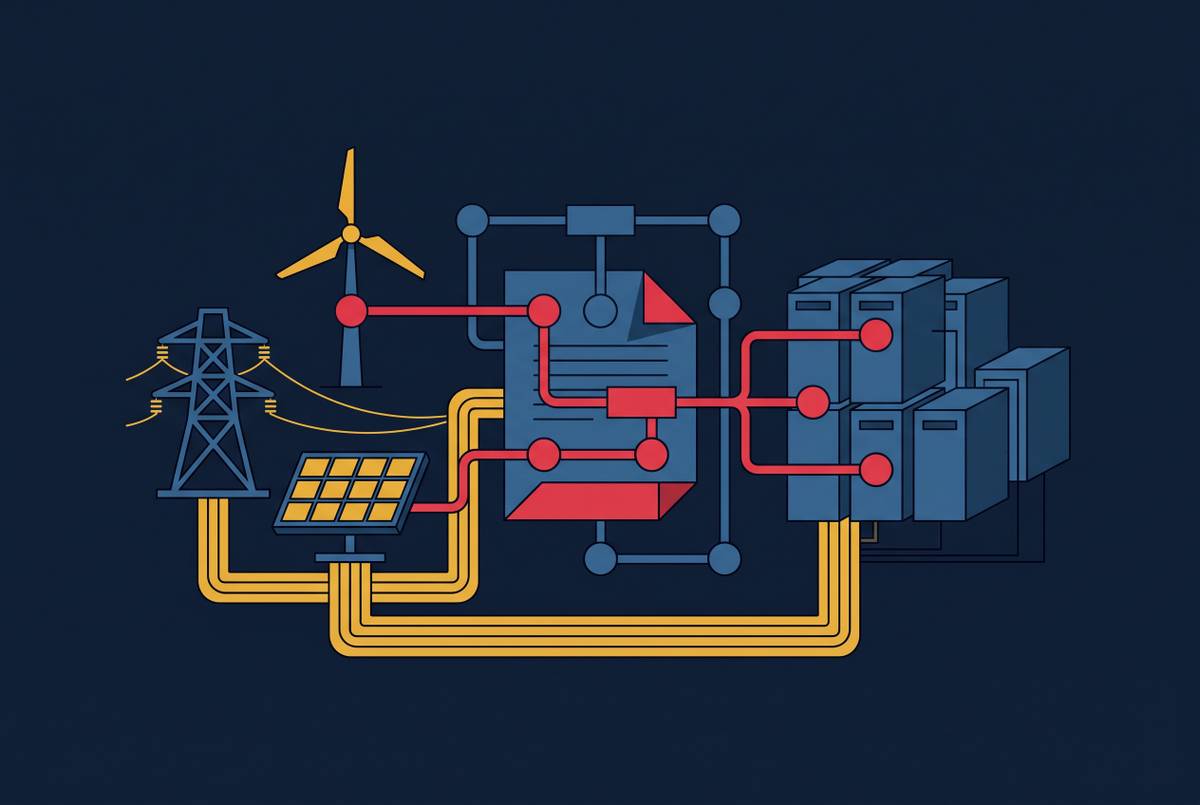
That starts with inventory, but inventory alone isn't enough. The foundation is a full map of physical assets, servers, storage, networking gear, switches, routers, firewalls, and critically, how those assets depend on one another. DCIM software, populated correctly, should hold the rack elevations, the asset register, the power chain running from PDU to rack to server, the network patching layout, and a capacity model that tells operations whether the destination site actually has room, power, and cooling to spare.
A working model also has to separate two very different categories of workload: things that can move cleanly, and things structurally tied to legacy hardware, firmware, or licensing that make them far harder to relocate. Treating both categories the same in a wave plan is one of the more common ways cutovers fail. Newer discovery tools help with part of this. Agentic AI systems, AWS Transform among them since its May 2025 launch, can automate dependency mapping and generate migration plans for application-layer workloads. But physical infrastructure, the power chains, the cooling loops, the cable runs, needs its own modeling approach; software discovery doesn't reach into a switchgear panel. The model ultimately drives sequencing too: which assets move first, which have to stay live until the last possible moment, and what a rollback actually looks like if a wave doesn't go as planned.
Power dependency mapping determines what can move and in what order
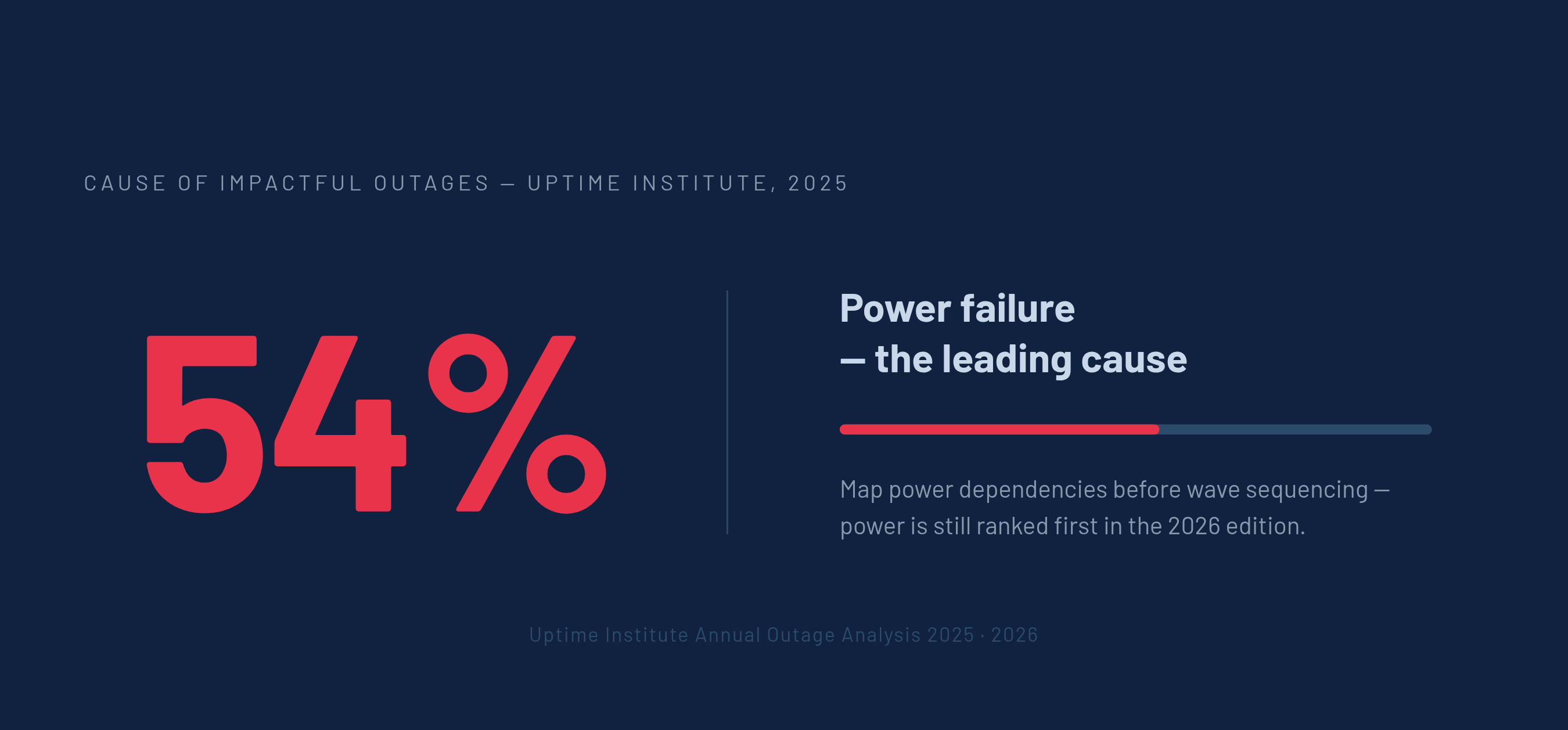
Power causes more migration outages than anything else, and legacy sites hide dependencies in it that appear nowhere in the drawings. The Uptime Institute's Annual Outage Analysis 2025 found power responsible for 54% of impactful outages among operators surveyed, and the 2026 edition still puts power at the top of the list.
A pattern from the research illustrates why this keeps happening. A UPS might have an SNMP card that the IT team monitors, a separate Modbus card that the EPMS reads, and no connection at all to the BMS. The result: whoever is watching cooling systems has zero visibility into battery discharge status, and that gap is common on older sites. Nobody built this by design. It accumulated over years of separate teams adding separate monitoring for separate reasons, and now three systems each see part of the truth.
Getting this wrong costs real money. Electrical systems already claim the largest share of total construction budget in a data center, and redundancy tiers push that cost higher still, so power dependency errors caught after construction begins are expensive to fix. Mapping power correctly means tracing every load backward from the rack through the PDU, the panel, the UPS, the switchgear, all the way to the utility feed, then flagging which of those elements serve more than one destination, which have zero redundancy, and which face physical limits on how much load they can shift.
Wave sequencing has to follow that power map instead of the org chart. A migration order that looks sensible by business unit or workload type can still create a momentary overload or a single point of failure somewhere in the power chain that nobody flagged, because nobody was looking at power when they built the sequence.
Cooling constraints on legacy sites are harder to model than power, and more dangerous to underestimate
Cooling gets less attention than power in most consolidation plans, but its structural nature makes it harder to fix once you're past the planning stage, and more likely to blow up at cutover. Old facilities built around raised floors and perimeter cooling units were never designed for the thermal loads that AI workloads generate today. Many operators are now switching to chilled water loops, stainless steel piping, and structural systems built to carry heavier compute loads.
That transition creates a documentation problem: if a legacy site is mid-retrofit, or has been for years, the as-built record for its cooling system is a snapshot of something still changing, not a stable baseline anyone can model against with confidence. Thermal load modeling gets harder precisely because the thing being modeled hasn't finished moving.
The financial stakes match the technical ones. Cooling makes up 15 to 25% of total construction budget, and mistakes in thermal modeling at the destination site turn directly into capital cost overruns. Liquid cooling raises the difficulty further: CDU telemetry, flow rate, temperature delta readings, pump status, and leak detection zones all need to be defined as explicit integration requirements before anyone can call the consolidation model finished. And none of this holds still during the move itself. Shifting workloads in waves changes the thermal map on both ends, at the legacy site and at the destination, so the model needs to track intermediate states along the way, including where things start and where they're supposed to end up.
As-built records on legacy sites are an unreliable starting point for a consolidation model
A consolidation model's accuracy depends directly on the as-built record it draws from, and on legacy sites that record is usually incomplete, inconsistent, or wrong in ways nobody notices until they go looking. Old plant drawings on facilities headed for retirement are notoriously unreliable, and teams struggle to get power chain data, cooling control data, and structured cabling data to line up in one federated model before a safe decommission.
BIM, the standard tool for design documentation across the industry, has real limits once it meets an actual organization. Workflow disruption, institutional inertia, and plain resistance to changing how people work mean BIM gets realized unevenly in practice. Automating the extraction of data from BIM models doesn't solve this cleanly either. Even in the best configurations, LLM-based extraction tops out around 55 to 57% accuracy, and that number gets worse against non-orthogonal geometries or polygonized B-rep models, which introduce gaps that degrade the quality of the resulting graph.
Facilities with higher BIM maturity do produce more trustworthy data: a shared source of truth means more predictable workflows and information captured in forms that let AI tools spot risks and optimize layouts. But most legacy sites were never built to that standard, so that maturity gap is exactly the problem a consolidation team inherits. The practical response is a field verification pass before modeling starts in earnest, not a review of what's already on file, but a physical audit against the model, focused specifically on power chain routing, cooling loop configuration, and cable path accuracy. Assume the paperwork is wrong and check it directly. That assumption costs almost nothing up front and saves enormous amounts of time later.
Cable and fiber routing as a hidden sequencing constraint in consolidation planning
Cable and fiber routing gets treated as a logistics detail in most consolidation plans, something to sort out once the real decisions are made. That's a mistake. Unmapped cable paths create sequencing constraints just as binding as power or cooling constraints, and they become visible at the worst possible time if nobody caught them early.
Structured cabling documentation ranks among the least reliable records on any legacy site, right alongside the outdated power and cooling drawings discussed above. Cable dependencies frequently cross wave boundaries: a cable serving a workload scheduled for an early migration wave might physically run through space that can't be touched until a much later wave, and that constraint only becomes visible once someone actually traces the path. Fiber runs also carry management-plane traffic alongside network traffic, so a cut or disruption there can knock out monitoring and control for systems that haven't even migrated yet, opening a blind spot during cutover that nobody planned for.
This is why the real challenge is building one federated model that connects power chain, cooling control, and structured cabling together, rather than building three separate models and hoping the overlaps sort themselves out. The interdependencies between those three systems are exactly where sequencing constraints live. Modeling cable at the path level matters here, not just the endpoint level. Knowing that a cable connects rack A to switch B tells a planner almost nothing useful. Knowing the physical route that cable takes, and what else runs alongside it, is what lets a team anticipate disruptions and plan alternate routing before anyone touches a patch panel.
How capacity planning for the destination site must change when legacy assumptions no longer apply
Capacity planning for the destination site can't run on the same assumptions that governed the legacy facility. Two buildings with nearly identical floor area can have wildly different electrical and mechanical capacity, so planning around square footage instead of megawatts leads straight to commitments the destination physically can't keep.
That's why capacity planning during a migration shifts toward MW-based pricing rather than static floor-plan math, since facilities of similar size can carry very different cost and constraint profiles depending on their actual electrical and mechanical buildout. The dollar figures make the stakes concrete. AI-focused facilities can run past $20 million per megawatt once liquid cooling, higher-voltage distribution, and dense rack layouts enter the design. Getting the capacity math wrong at that price point isn't a rounding error, it's a budget-defining mistake.
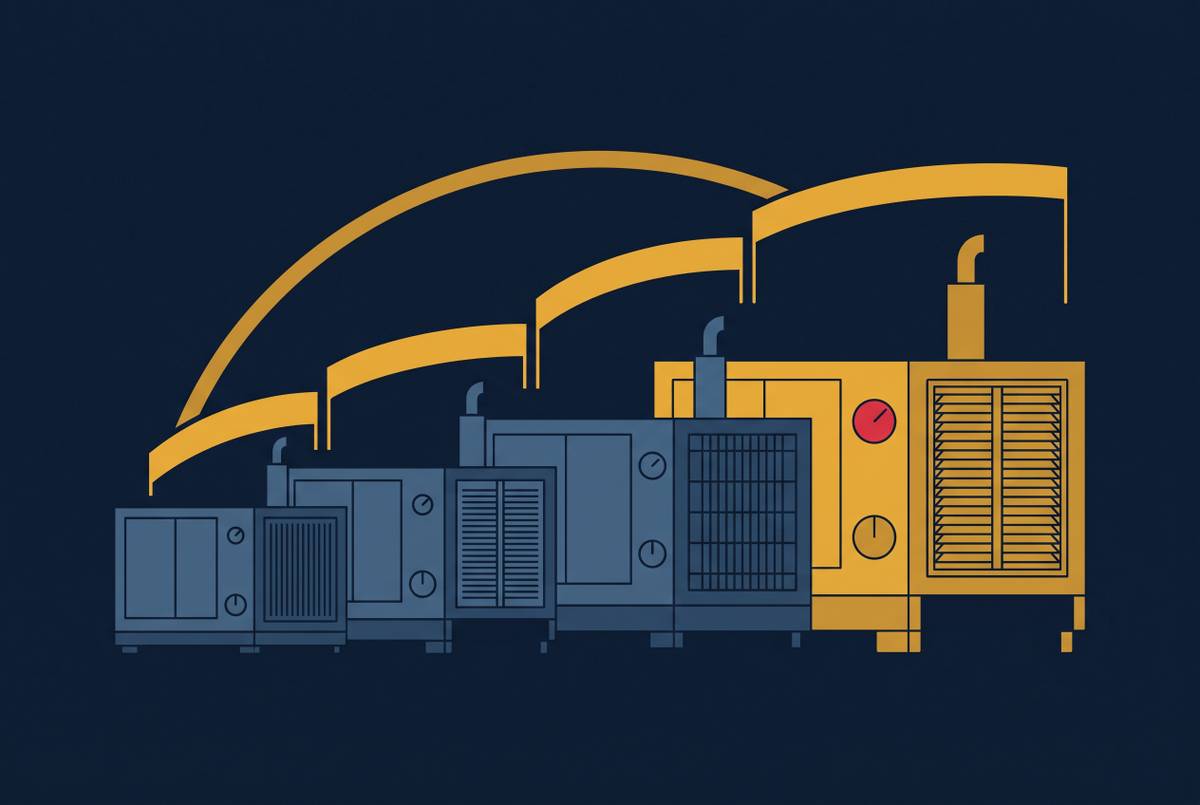
DCIM at the destination has to carry accurate power chain data, cooling capacity figures, and rack-level capacity numbers before any consolidation wave begins moving. That means treating DCIM as a planning tool from day one, not a record system populated after the fact. Workload placement, which rack, which power domain, which cooling zone, needs to get decided inside the model, because decisions made on the data center floor during a physical move are nearly impossible to reverse without disrupting service. And the model can't stop at the final state. After wave one finishes, how much power and cooling capacity is actually left at the destination, and does that remainder support wave two as planned? Static end-state models miss this entirely, and it's usually where the second wave of a migration starts running into trouble nobody predicted.
What operations-ready handoff requires when the legacy site goes dark
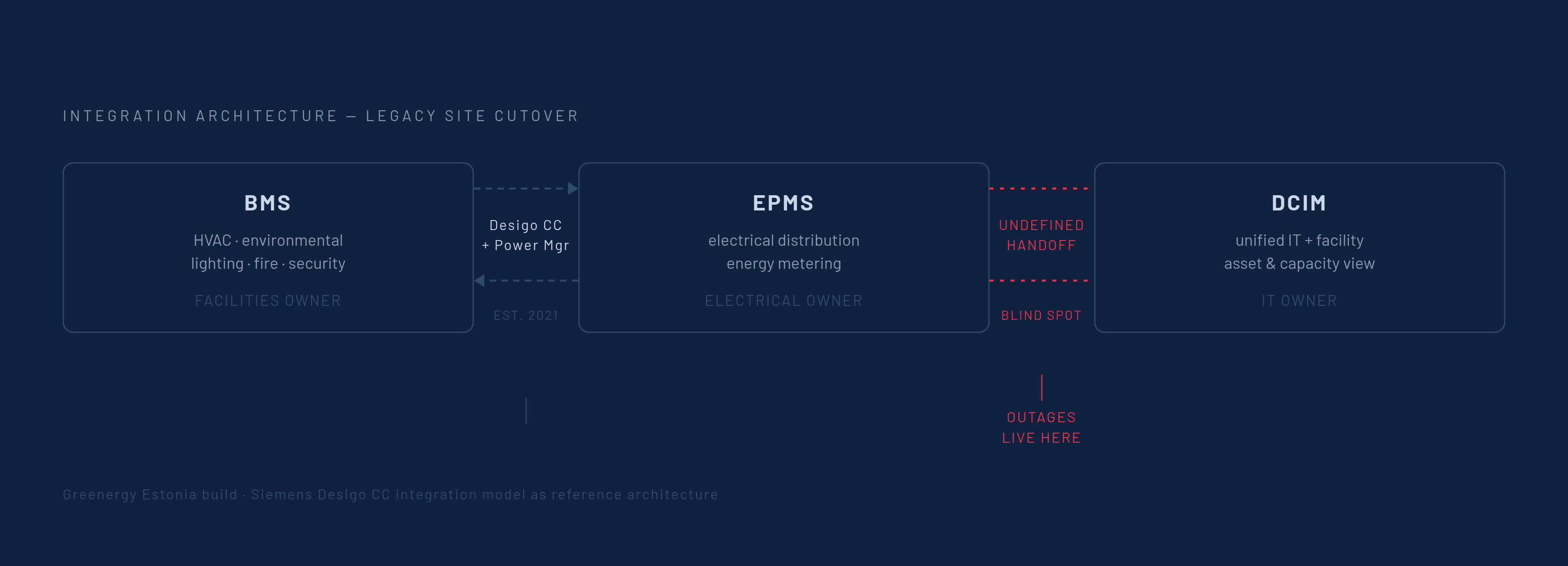
A consolidation model that stops at physical cutover isn't finished, because BMS, EPMS, and DCIM serve different operational audiences and cannot substitute for each other, and the integration architecture connecting them must be defined in the model before the legacy site shuts down for good.
The three systems do genuinely different jobs. BMS covers facility-level HVAC, environmental controls, lighting, fire, and security. EPMS manages electrical distribution and energy metering. DCIM ties IT and facility data together for a single, unified view. Each has its own operational owner, and none of them was designed to cover for the others. Greenergy Data Centers, built in Estonia between 2021 and 2022, shows what it looks like to treat this as a design decision rather than an afterthought: the facility deployed an integrated BMS-EPMS platform using Siemens Desigo CC alongside Power Manager as the EPMS layer, managing HV/MV, LV, and UPS systems together from the start.
That kind of integration has to be specified, not assumed. The architecture needs to state which system owns each data point, which system fires which alarm, and how data moves between BMS, EPMS, and DCIM without duplicating itself or leaving gaps. That specification belongs in the consolidation model long before go-live, well ahead of an email to the operations team on the day the legacy site finally goes dark.
Liquid cooling adds one more layer that can't be bolted on later. CDU telemetry, flow rate, temperature delta, pump status, and leak detection zones all need a data model distinct from standard air-cooled DCIM, and that distinction has to get built into the destination design before construction locks in. BIM data that arrives at operations incomplete, or sitting disconnected from DCIM, EPMS, and BMS, hasn't done its job. Structured handoff, not the model itself, is the actual finish line. DCIM, however well built, doesn't replace ITSM, and operations teams evaluating a consolidation destination need to keep that distinction clear from the start: assuming one system will cover ground that belongs to another creates gaps that turn up months after everyone thought the migration was done.