Procurement Standardization and Equipment Vendor Rationalization at Portfolio Scale
Standardized equipment specs cut delivery delays and qualification rework across portfolios.
A DCIM-ready BIM handoff requires structured equipment data, shared asset identifiers, and explicit mapping from design-model attributes to operations fields before construction begins. Procurement standardization and vendor rationalization make that work repeatable across a portfolio while reducing delivery delays and per-site rework. A delivery platform fits this connected workflow by linking RFI answers, submittal data, and equipment parameters to the model and the operations-ready handoff record.
Why equipment lead time has become the binding constraint on data center delivery
A project team can hold every civil and structural milestone and still wait a year for a transformer. The site is ready, but the equipment is not. Wood Mackenzie’s survey found that the average lead time for a large power transformer is 128 weeks. The wait for medium-voltage switchgear is 44–84 weeks, while the wait for diesel generators is 50–110 weeks.
The manufacturing clock starts at Release to Manufacture or approved submittal. If a PO is issued in January but release is held until April, twelve weeks are lost before fabrication begins. This distinction makes design approval part of the supply constraint, rather than an administrative task that can follow commercial commitment at its own pace.
The supply base cannot expand at project speed. McKinsey identifies grain-oriented electrical steel as a key input in tight supply from a few qualified mills. The small number of major transformer producers adds another limit, and there is no quick substitute for that steel. Xometry Chief Product and Technology Officer Vaidy Raghavan describes procurement infrastructure that has not scaled with the investment driving it, because sourcing systems were built for a slower, more predictable industry.
The consequences extend beyond the construction schedule. Financing schedules, lease commencement dates, and tenant fit-out plans depend on the date the facility is ready for service. Delay liquidated damages allocate the financial consequences before anyone knows whether a slip will occur. Vendor strategy therefore helps determine both when a facility can operate and who absorbs the cost when it cannot.
How per-project procurement fragmentation forms and why it compounds at portfolio scale
Project teams that work on their own tend to build the same procurement process from scratch for each facility. Each creates an approved-vendor list, a spares catalog, and a set of quality records suited to its immediate job. That behavior is understandable under a tight deadline. But site-specific designs create site-specific sourcing needs, so the next team inherits little that it can use without another qualification exercise.
Documentation makes the cost of that pattern concrete. A facility can require compliance records for thousands of line items sourced from dozens of suppliers across different geographies. Each supplier has its own documentation practices. When equipment choices change from site to site, verifying those records becomes another full-time project rather than a repeatable review of known requirements.
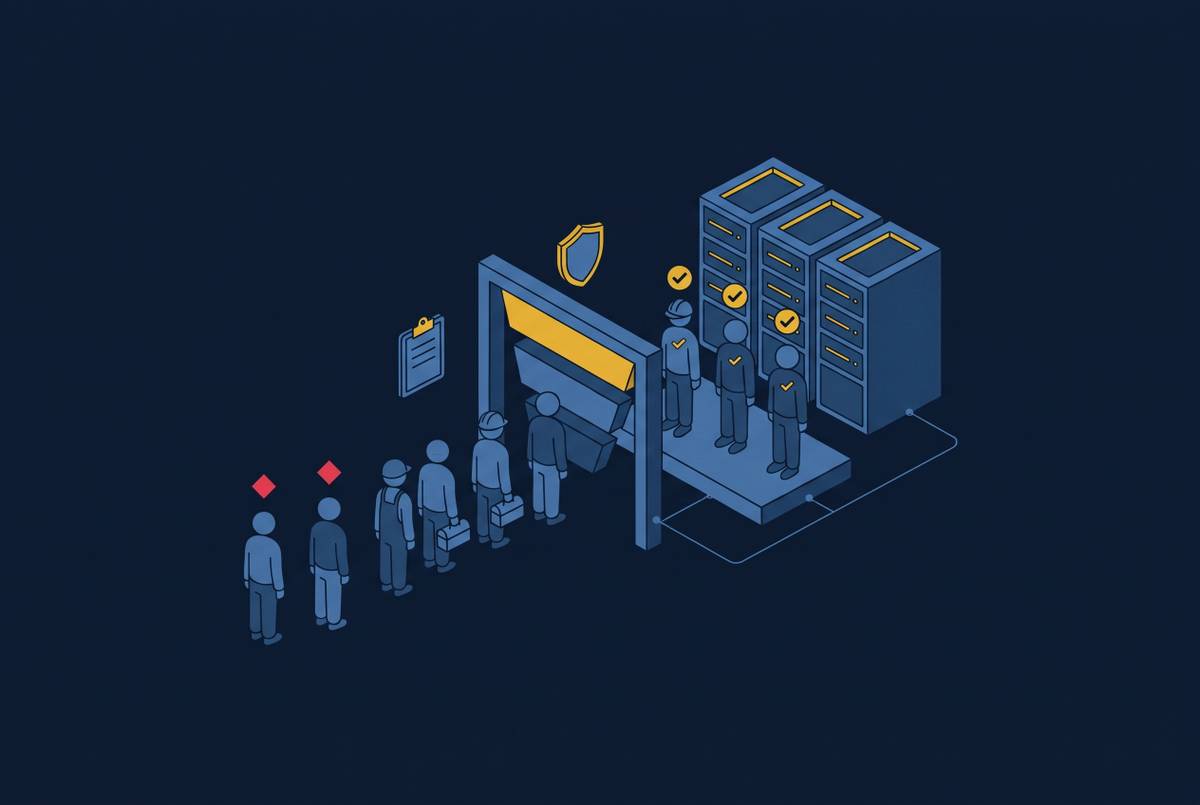
Some of those records are also required for equipment qualification. BIS export controls and UFLPA-driven traceability obligations, including those affecting steel, aluminum, and polysilicon, make sourcing more than a price-and-delivery decision. A component that fails qualification late can set a build back by months. Urgent purchasing does not remove that obligation.
Portfolio growth multiplies these parallel qualification efforts. Several teams may be working through similar problems without knowing which suppliers they can count on for usable documentation. Design-build and EPC contracts concentrate schedule and performance responsibility, but they do not create a shared vendor program when each project still buys independently. The failure is organizational. Standardization addresses it by removing unnecessary variation before sourcing begins.
What procurement standardization and vendor rationalization actually mean in practice
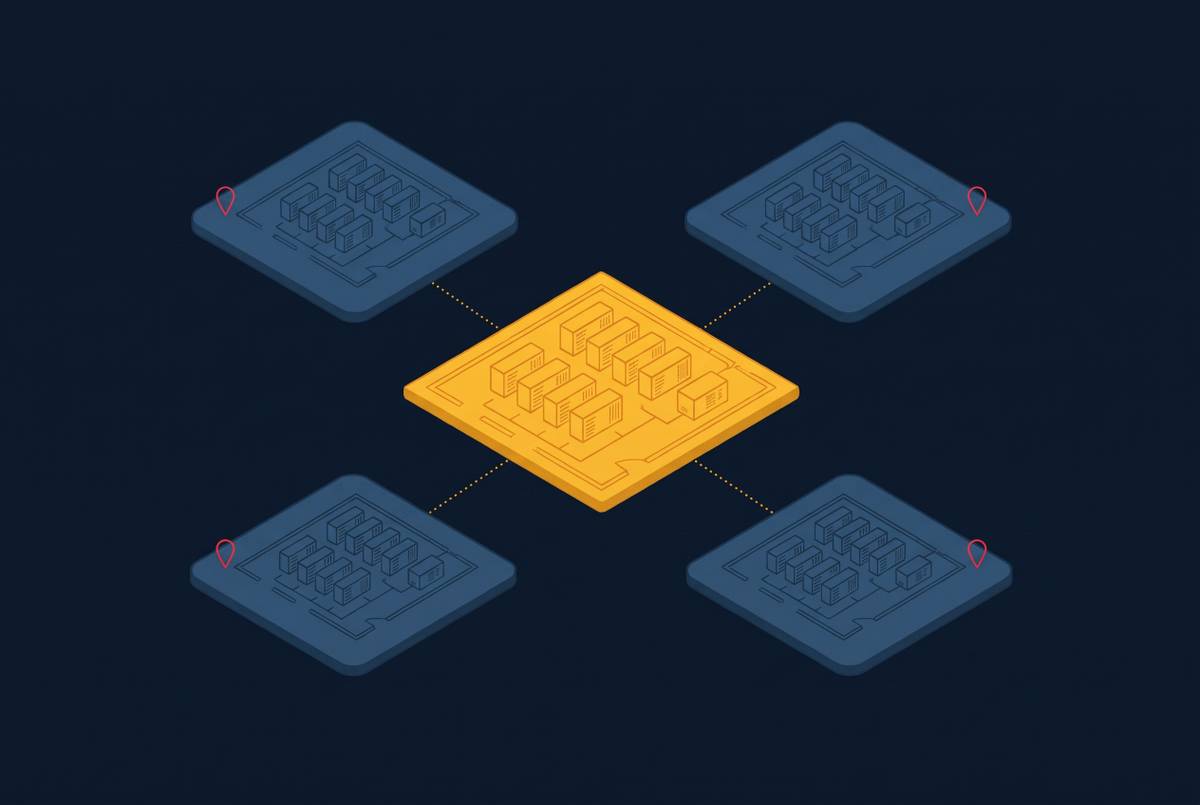
The Schneider Electric–Digital Realty Supply Capacity Agreement shows what vendor rationalization buys in practice. The $373 million agreement guarantees production capacity for UPS systems, LV switchgear, and prefabricated power skids, including a dedicated switchgear production line. For the operator, the commercial benefit includes capacity that does not depend on joining the open-market queue for each build.
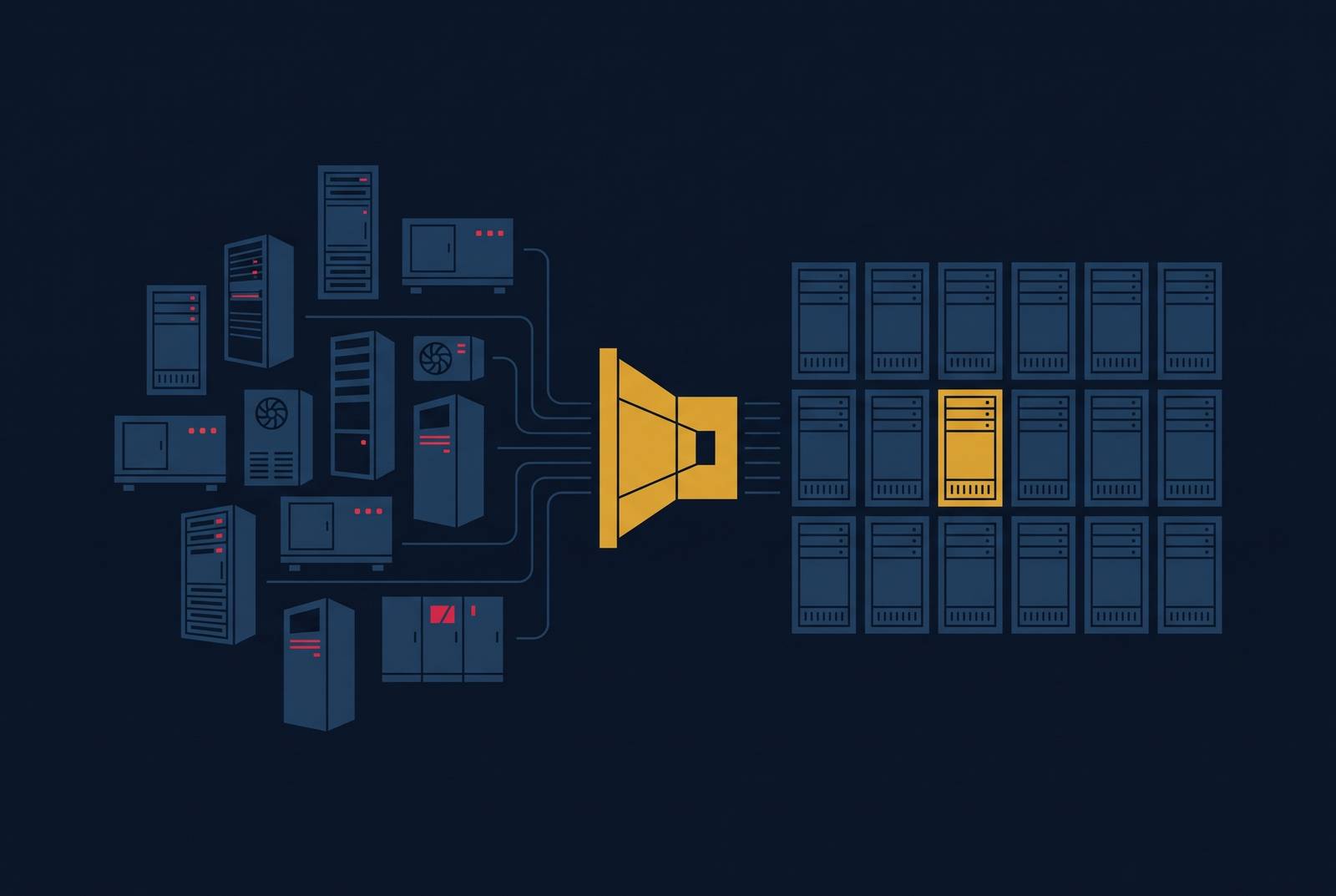
That commitment depends on specifications stable enough to buy against. A reusable specification library defines approved form factors, material grades, tolerance ranges, and performance thresholds. Engineering teams use designs that have already cleared qualification, while procurement teams use supplier lists and pricing structures that work from one project to the next. Documentation templates follow the equipment category.
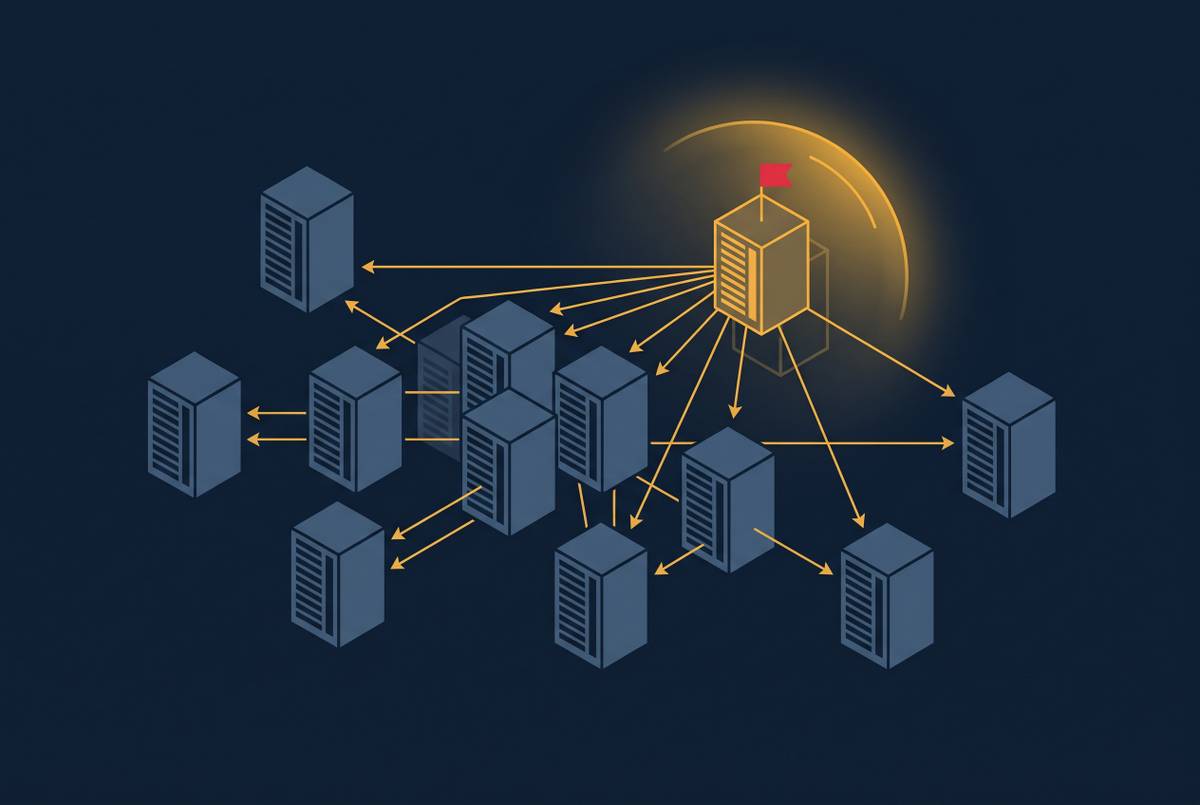
Rationalization does not have to mean sole-source dependence. When performance-based specifications are written by voltage class, fault rating, and footprint, several approved manufacturers can bid on the same scope. That preserves substitution options when one supplier slips. Sole-source procurement can improve commercial terms and queue position, but it removes that fallback. The choice is between different forms of supply risk.
When specifications stay the same, teams can also commit to capacity earlier. Hyperscale developers put down deposits at land close to reserve factory slots, with ratings frozen around the time the single-line design is complete. Five versions of a switchgear family require five spares strategies and five training programs, while one rationalized family requires one of each.
How standardized specifications reduce RFI volume and submittal rework on critical-facility projects
Every non-standard equipment substitution creates another submittal chain. Its ratings, dimensions, and interfaces need review against a design that may already have been coordinated around something else. On a large project, that extra chain joins hundreds of RFIs requiring answers and documentation. The burden is already substantial before substitutions add to it. Collective RFI-related costs on larger projects can reach hundreds of thousands of dollars.
Standard specifications remove a specific source of that burden. Pre-qualified selections avoid the questions that come up when teams add unqualified equipment after coordination has begun. They do not eliminate every RFI. Research cited in the brief puts the avoidable share at between 30 and 60 percent when teams catch conflicts and missing information before documents reach the field.
An answer is useful only if it reaches the record. A corridor conversation may settle an immediate installation question, but it leaves no defensible basis for later contract interpretation. Commissioning then tests systems against design intent, bringing undocumented decisions back into view when resolution is most expensive. Traceability connects the field answer to the approved requirement.
A connected delivery workflow links RFI answers, submittal data, and equipment parameters to model elements and the handoff record. The useful distinction is between storing a manufacturer PDF and making its approved data usable. If BIM attributes are left empty or submittals are not linked to equipment, the asset records that operations gets will have gaps. Standard specifications and pre-approved documentation templates establish the path from requirement to asset before each project needs it.
Why power and cooling density create a new coordination requirement that standardization must address
Legacy enterprise racks operated at 5–10 kW, while modern AI racks routinely exceed 50–100 kW. Structural floor-loading, cooling-distribution routing, and electrical bus sizing now need to be worked out together. Direct-to-chip liquid cooling and immersion cooling make layout and cooling distribution interdependent from the design stage.
Power also limits what a hall can deliver. White-space square footage without confirmed power can overstate available compute capacity, regardless of how many racks fit on the plan. Standardized equipment selections therefore need coordinated system specifications and repeatable dimensions. Otherwise, procurement may repeat a product choice without repeating the engineering conditions that made it suitable.
The control boundary is expanding as well. A facility with its own turbines, switchgear, and thermal storage needs those systems coordinated before construction. Generation and grid protection remain with dedicated PLC, SCADA, protection, and microgrid-control systems. DCIM, EPMS, and BMS integration belongs in the design process. Operators with DCIM platforms selected before the density shift should validate their support for hybrid cooling and high-density workload modeling.
This is also where BIM handoff becomes an engineering requirement. An architect’s model deliverable is not automatically the operations team’s asset dataset. A standardized equipment library with defined BIM attributes and pre-mapped DCIM fields makes explicit schema alignment possible before construction. Shared asset identifiers connect the same equipment across those records. Mapping approved attributes into DCIM, EPMS, and BMS fields provides the structured route out of the model, rather than leaving operations to reconstruct equipment data manually at turnover.
Where AI and deterministic rules each belong in a standardized procurement and design workflow
Standardization creates a basis for automation, but not every task belongs to AI. ArchiLabs’ position draws a clear boundary between deterministic rules and AI assistance. Rules enforce known requirements through auditable logic. AI helps surface gaps and inconsistencies that need review. Equipment approval and safety-critical control cannot depend on an inference being plausible.
Before a purchase order is placed, AI can help compare the data in the BIM model with equipment schedules. It can flag mismatched tags, quantities, ratings, clearances, and missing fields before commitment makes a bad assumption expensive. People still use the approved specification to judge and resolve the flagged issue, while structured fields keep the equipment parameters that downstream workflows use.
Manufacturer PDFs expose the same division of work. AI can accelerate extraction from documents that would otherwise require manual reading. But extracted values must feed structured model attributes, schedules, and validation rules. The record has to be auditable. A connected workflow is defensible at commissioning because approved parameters and decisions trace to specifications.
The operational boundary is stricter still. Rack- and outlet-level power caps, load prioritization, and safe load-shedding during constraints belong to deterministic rules operating on live telemetry from EPMS, DCIM, and intelligent PDUs. Those functions do not require AI. Prediction and optimization can sit above rules-based control, but they do not replace it.
How to build a portfolio-scale procurement program from a rationalized approved-vendor list
For operators putting this into practice, the starting point is the specification library. Establish performance-based requirements by voltage class, fault rating, and footprint, then qualify manufacturers against them. The specifications need enough precision to support coordinated design while allowing several manufacturers to bid where substitution flexibility is required. An approved-vendor list is the output of that work. Reducing the supplier count first risks concentrating supply without removing design variation.
Once the requirements are stable enough, capacity can be reserved before the full design is complete. Ratings can be frozen at roughly 60 percent single-line design completion. While teams wait for every drawing, the queue they have yet to join keeps filling up. Early reservation still depends on timely submittal approval and Release to Manufacture, so the commercial commitment must remain connected to the design decisions needed for fabrication.
The next requirement is a shared BOM and spares strategy. Data on what teams actually use can help cut excess inventory and keep supplies within reach across locations. Supplier assessments can establish where vendor-managed inventory fits the operator’s workflows and helps new site teams ramp up under tight deadlines. This prevents a standardized purchasing program from reverting to urgent local orders as teams change.
Qualification then has to remain current. Mergers, funding cliffs, and supply disruptions can alter a vendor’s risk profile in weeks, while changes to the specification library can invalidate earlier approvals. Continuous monitoring should connect the two. When a standard changes, the qualification status of each supplier for that line item should be re-evaluated automatically rather than left for the next project team to discover.
Finally, specifications, purchase orders, submittal records, and BIM attributes need one connected, structured workflow. That connection makes the program auditable through delivery. The finish line is the operations-ready asset record, with BIM attributes mapped to DCIM, EPMS, and BMS fields and equipment parameters traceable to the approved specification. A closeout meeting cannot substitute for that handoff.